A Journey Through Time Along the River Crouch
Set on the tranquil banks of the River Crouch, Shuttlewoods boatyard has long been a cornerstone of Paglesham’s maritime heritage. Its story weaves together the traditions of boat building, local craftsmanship, and the ever-changing fortunes of the Essex coast.
Origins and Early Days
Paglesham was famous for its native oysters and the river would have been full of smacks belonging to the half dozen oyster merchants with layings in the river and creeks. Barges would also have been common bringing grain through to Stambridge Mill, hay and straw to London and timber was also brought in on barges for boat building. Shuttlewoods boatyard traces its roots back to the late nineteenth century although there are numerous reports of boatbuilders at Paglesham prior to the name ‘Shuttlewoods Boatyard’ appearing in records.
Thomas Hall appears to be the earliest boatbuilder registered at Paglesham, he passed his skills on to his stepson William Kemp and in 1851 he appears in the records at aged 50 as ‘Boatbuilder, Master employing 1 man, 1 boy’. William Henry Hall, grandson of Thomas Hall, married Ann Woolf from Stambridge, over the next 20 years they had 10 children and in the 1871, 81 and 91 census he appears as ‘Boatbuilder’ and in 1881 it states that he employed 3 men and 2 boys so by then at least he was in charge of the boatshed. William Hall built the first steam powered dredging boat ‘Tiny Mite’ for Zachary Pettit, Oyster Merchant who lived at Cupola. William Henry Hall was living at Rats Hall, on Waterside Lane in the 1871 census.
The Shuttlewoods
There have been Shuttlewoods in Paglesham from at least 1867 when an Alice Maria Shuttlewood was baptised, as recorded in St Peter’s records. She was the 4th child of James Shuttlewood, born 1821, died in 1915, and Eliza who had come from Canewdon. James was registered as a Sawyer at Paglesham Sawpits. James and Eliza had 5 children, their oldest James William, born in 1858, was registered in the census as a ‘Boat builder’ whereas his younger brother Henry, born in 1870 was registered as a ‘Shipwright’.
In 1895 James William took over the boatyard with his brother Henry. James William married Alice Milton but she died in childbirth at only 23, their child died 6 months later. Henry and his wife named their daughter Alice Milton in her memory. James William went on to marry Harriet and they had 6 children together. James William built the house along Waterside Lane; Milton Villa in 1899 for his expanding family and in 1926 he built the bungalow Glenthorpe on the Paglesham road (now ‘The Lodge’) for his retirement. James William’s first son Frank, born in 1906 took over the boatyard in the 1930’s, Frank built Shore Ends, in the grounds of Milton Villa for his boatbuilders to live in.
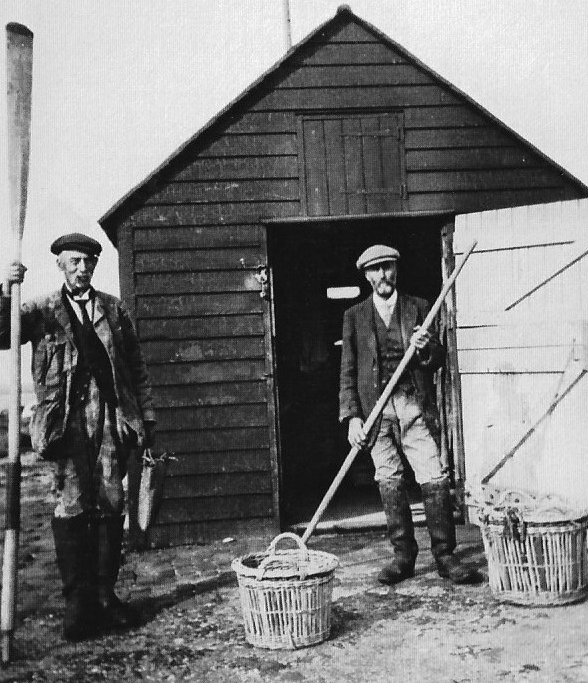
James William’s brother Henry (born in 1870) had 5 children, his oldest, William was born in 1907 in Brick Row, East End (now New Row). William went on to have 5 children of his own having moved to Foulness Island. His youngest daughter Rita Shuttlewood (born in 1944) had two children of her own when she married Bernard Rawlings, also from Foulness. Rita’s youngest son Philip married Emma Wooding in 1999, Emma had been a Paglesham resident since 1986 and lived at Shore Ends with her parents. Emma and Philip initially lived at 4 Shop Row, East End and moved to Shore Ends in 2006 and have now have two children Beth and Joe. So just over 100 years after the first Shuttlewoods were building boats in Paglesham their descendants are living in a house built by their ancestor, Frank Shuttlewood.
Shuttlewood Boatshed
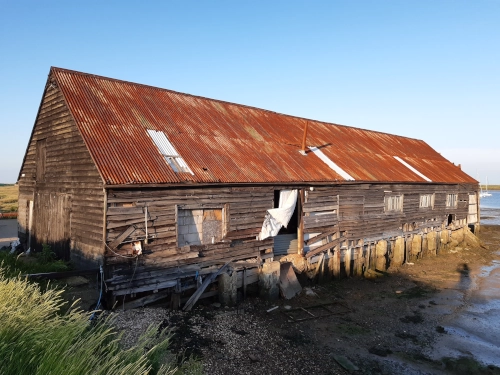
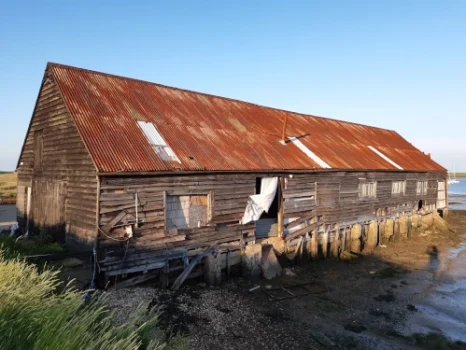
The Shuttlewood boatshed that stood at the water’s edge until 2025 was rumoured to include ‘knees’ from HMS Beagle which had been a coastguard accommodation and watch vessel at Paglesham since 1845. There was a large timberyard on the landward side of the wall, a thatched barn, blacksmiths shop and a wooden shed on saddle stones, called the Paint Shop. The highlight of the year for those in the oyster business were the Ragattas, the first of which was held in 1858. After the races celebrations were held in the Plough and Sail.

Growth and Community Importance
Through the early twentieth century, as boating became increasingly popular for leisure, Shuttlewoods adapted by expanding their facilities and services. The yard became a hub for local regattas, repairs, and winter storage, fostering a sense of camaraderie among boat owners.
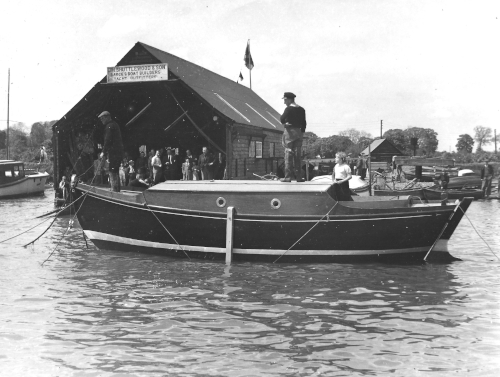
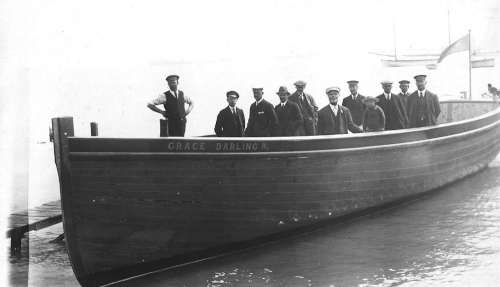
During the Second World War, the boatyard played a small but significant role in supporting local defence efforts, maintaining river craft and contributing to the resilience of the village. The boat ‘Grace Darling’ was built at Paglesham and used in the little boats armada helping to evacuate allied soldiers from the beaches of Dunkirk in 1940.
In the later part of the 20th century the boatyard has been home to luxury yachts, sailing dinghy’s and more recently luxury houseboats. At the time of writing this article it currently stands empty waiting to be restored to its former glory at the heart of Paglesham.